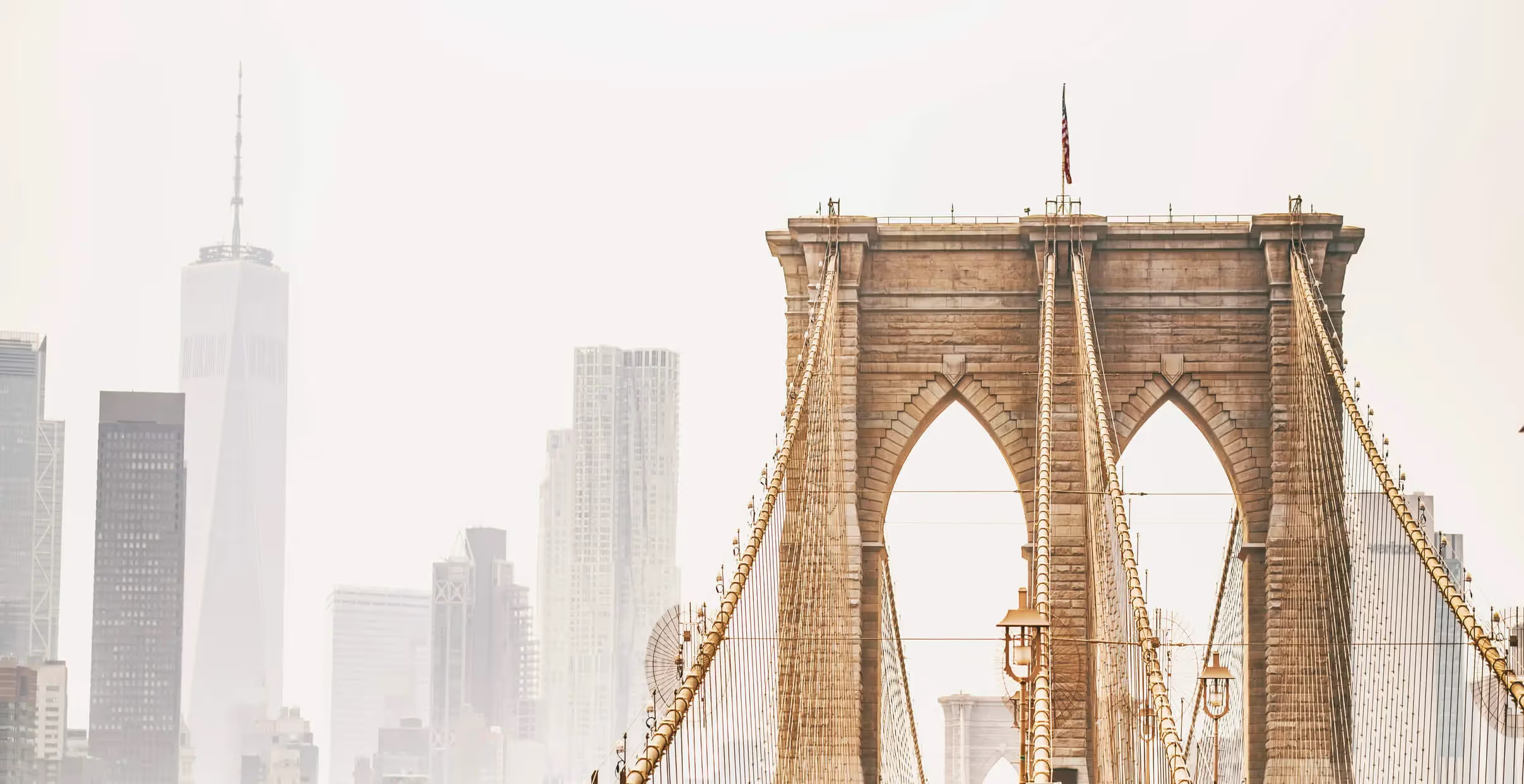
New York City holds more history, energy, and culture per block than almost anywhere else on Earth. Whether you're planning your first trip or coming back to catch the spots you missed last time, this travel guide will help you figure out what's worth your time. Below, you'll find an overview of the landmarks, museums, parks, and neighborhoods that make NYC unforgettable — along with the kind of practical details that actually save you hours when you visit NYC.
Each sight listed on this page has its own dedicated guide, so treat this as a starting map and dive deeper into the places that catch our eye.
Why New York City Tops Every Travel List
Five boroughs, hundreds of neighborhoods, and a skyline that has become shorthand for the American city itself. The Manhattan skyline alone is reason enough to come — few views are as instantly recognizable as the one from across the East River or the Hudson. But the magic of NYC isn't just the postcard moments. It's the mix: Broadway marquees glowing at night, kids chasing pigeons in Central Park, the rumble of the subway, and the smell of halal carts at 2 a.m.
Whether you have 48 hours or two weeks, you'll barely scratch the surface. That's part of the fun.
Best Time to Visit NYC
The best time to visit New York City depends on what you're after. Spring (April to June) and fall (September to early November) offer the most comfortable weather and the clearest skies for skyline photos. Fall also brings changing leaves to Central Park and the Hudson Valley.
Summer is hot, humid, and crowded, but it's packed with outdoor events, free concerts, and rooftop bars. Winter is cold — sometimes bitterly so — but if you visit in December, the holiday lights, the ice skating at Bryant Park, and the Rockefeller Center tree make it worth the chill. January and February tend to be the quietest months, which also means the best hotel rates.
Iconic NYC Landmarks

Statue of Liberty
No trip is complete without seeing the Statue of Liberty. A gift from France in 1886, Lady Liberty still stands as a symbol of freedom for millions. You can book a ferry from Battery Park to Liberty Island, tour the pedestal, or climb up into the crown — though crown tickets sell out months in advance. The same ferry continues to Ellis Island, home to the National Museum of Immigration.
If you're short on time, you can still catch a great view of the statue from the free Staten Island Ferry (more on that below).
Empire State Building
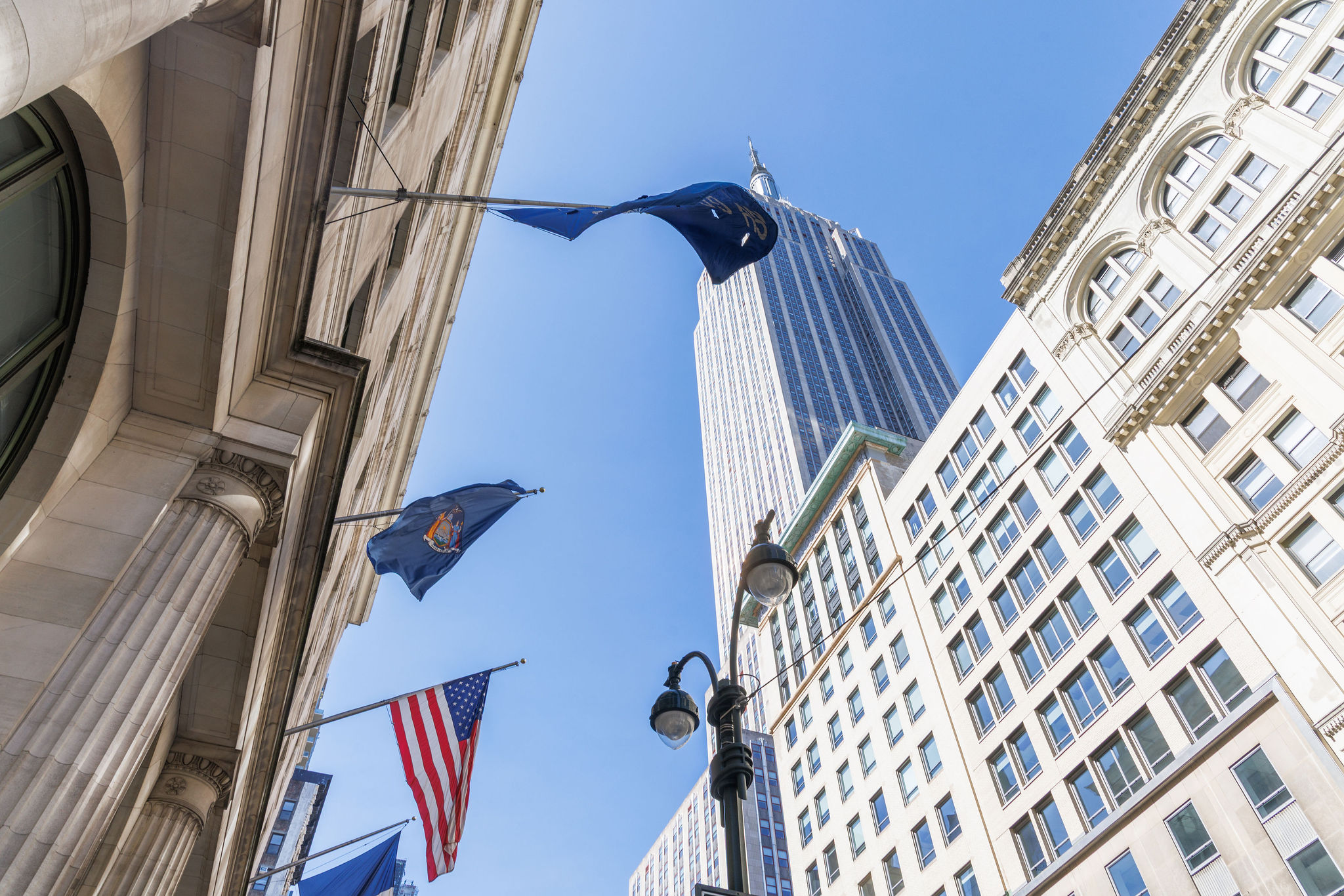
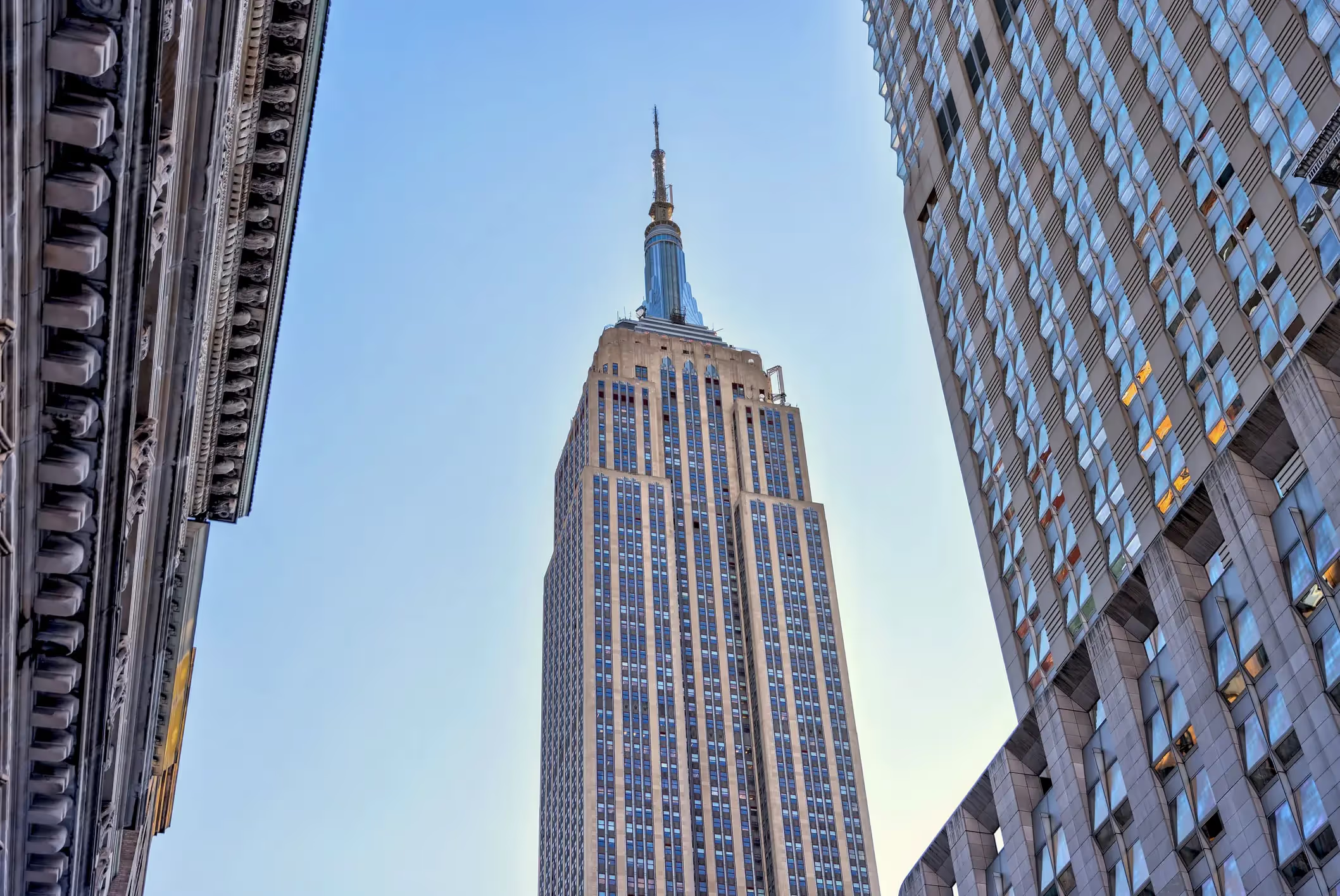
The Empire State Building held the title of world's tallest skyscraper from 1931 until 1970, and it remains one of the most recognizable buildings on the planet.
The 86th-floor observation deck offers 360-degree views across all five boroughs, and on clear days you can see as far as Connecticut and New Jersey.


Brooklyn Bridge
Crossing the Brooklyn Bridge on foot is a rite of passage for any NYC visitor. The walk takes about 30 minutes and delivers stunning views of the Manhattan skyline, the East River, and the Statue of Liberty off in the distance. For the best experience, start on the Brooklyn side in DUMBO and walk toward Manhattan — the skyline grows in front of you with every step.
World Trade Center and the 9/11 Memorial
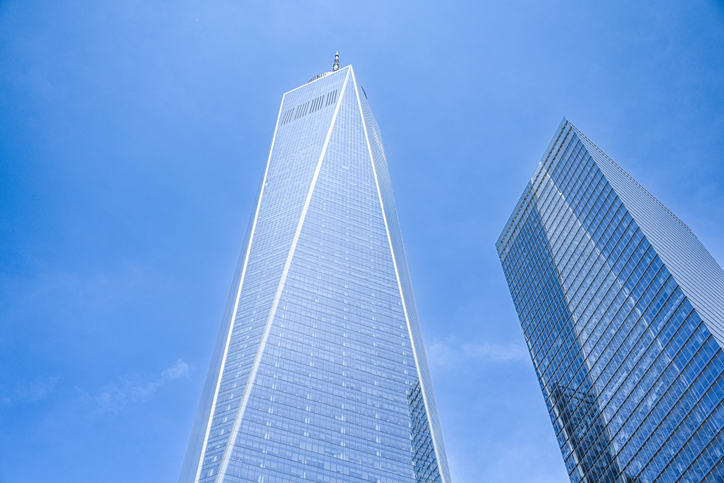
The World Trade Center complex has been rebuilt as a powerful tribute to the lives lost on September 11, 2001. The twin reflecting pools of the 9/11 Memorial mark the original footprints of the towers, and the underground museum tells the full story of that day. Nearby, One World Trade Center — the tallest building in the Western Hemisphere — has a sky-high observation deck called One World Observatory.
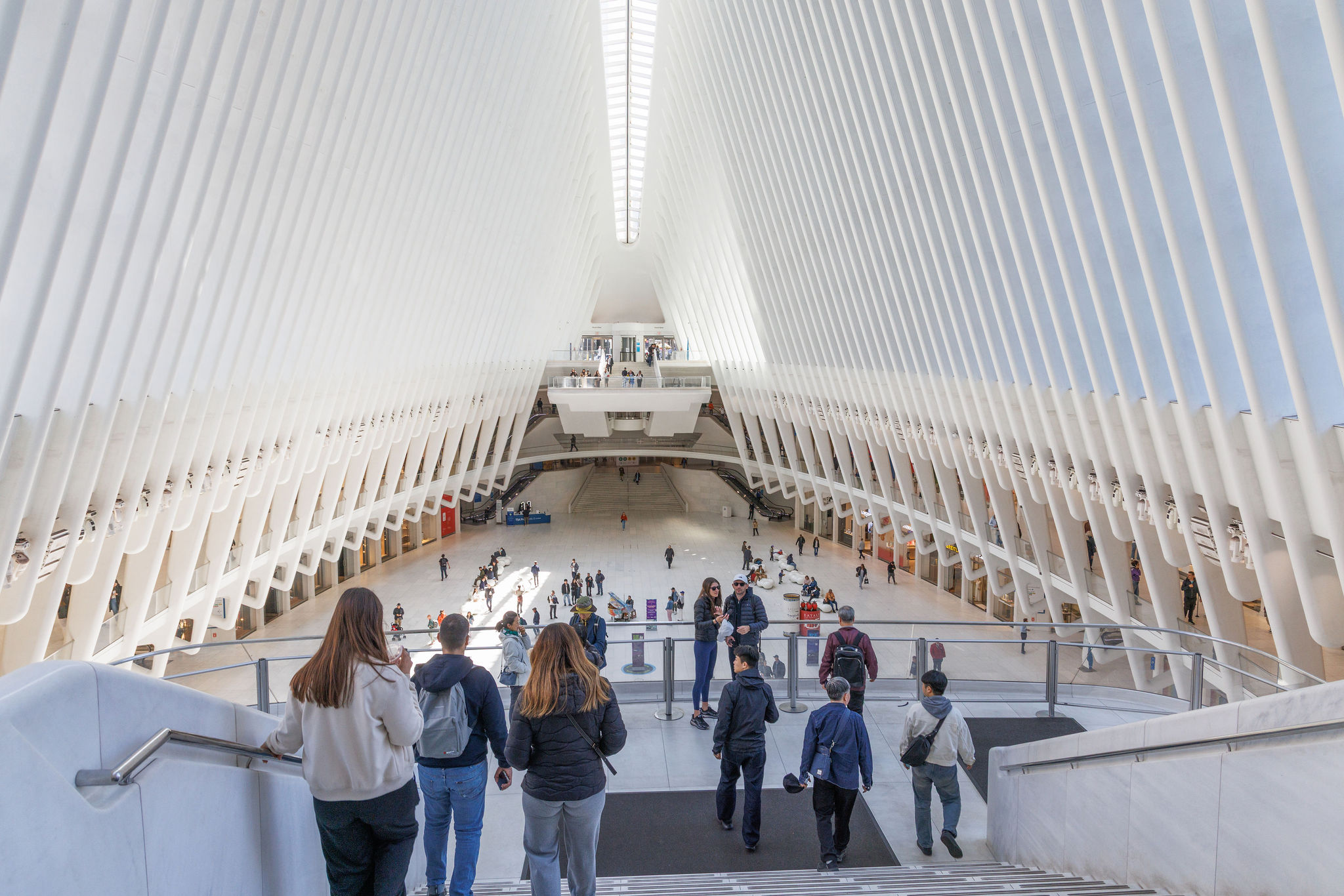
Don't skip the Oculus, the white rib-like transit hub designed by architect Santiago Calatrava. It's striking from any angle.
%20(2).webp)
Parks and Outdoor Spaces
.webp)
Central Park
Central Park stretches 843 acres through the middle of Manhattan and works as the city's shared backyard.
You can rent a rowboat at the Loeb Boathouse, walk across the Bethesda Terrace, catch a free Shakespeare performance in summer, or simply wander. Don't miss Bow Bridge, Strawberry Fields, and Belvedere Castle.
Early mornings are especially peaceful — far fewer crowds, and you might spot a few off-leash dogs having the time of their lives.
The High Line
Built on a decommissioned elevated rail line on Manhattan's west side, the High Line is a 1.45-mile linear park with gardens, public art, and some of the best city views in Chelsea. It runs from Gansevoort Street up to 34th Street and connects neatly to Hudson Yards, Chelsea Market, and the Whitney Museum.
.webp)
.webp)
Bryant Park and Washington Square Park
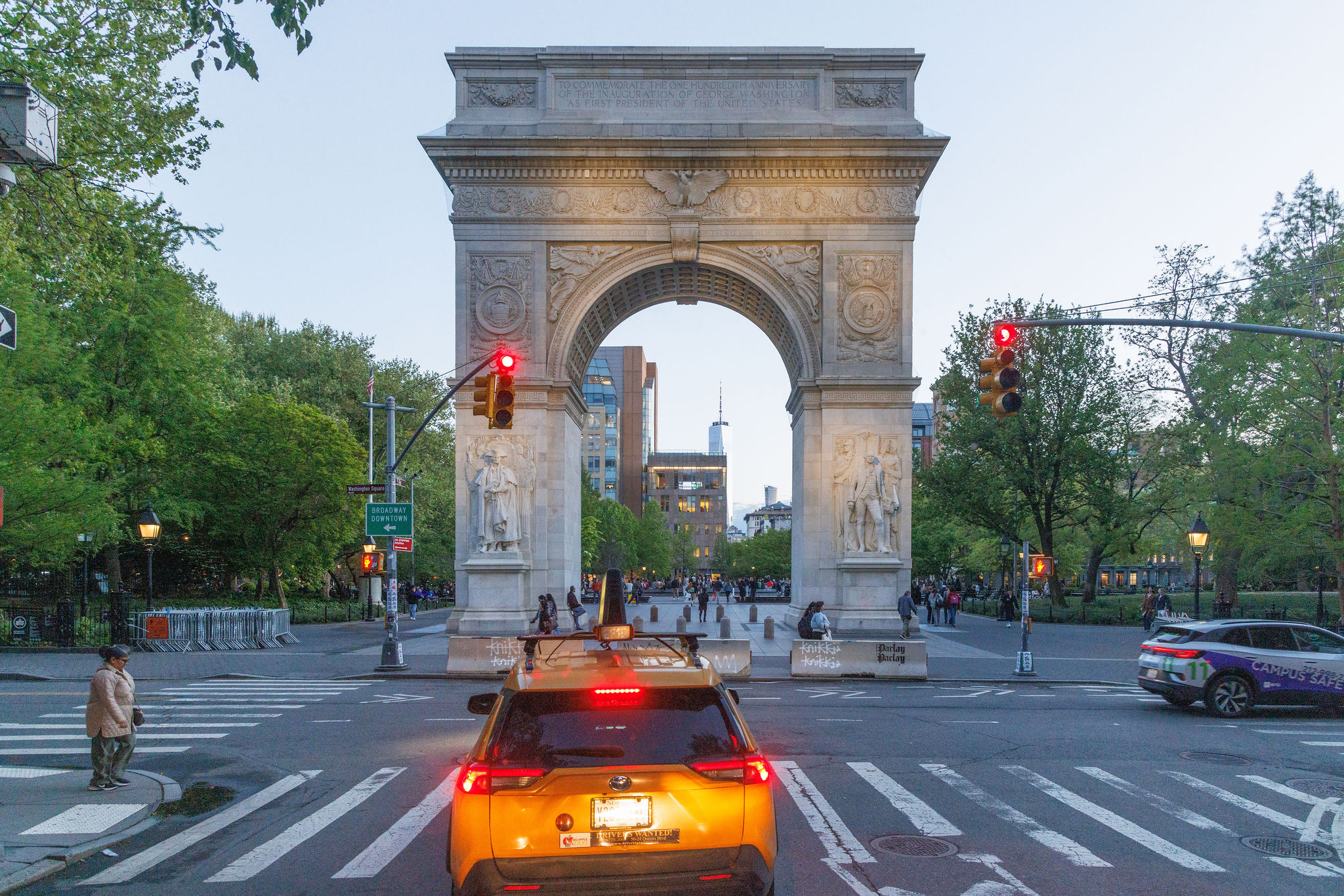
For smaller green spaces with real character, Bryant Park (behind the New York Public Library) and Washington Square Park (in the heart of Greenwich Village) are both worth a stop.
World-Class Museums
.webp)
The Metropolitan Museum of Art
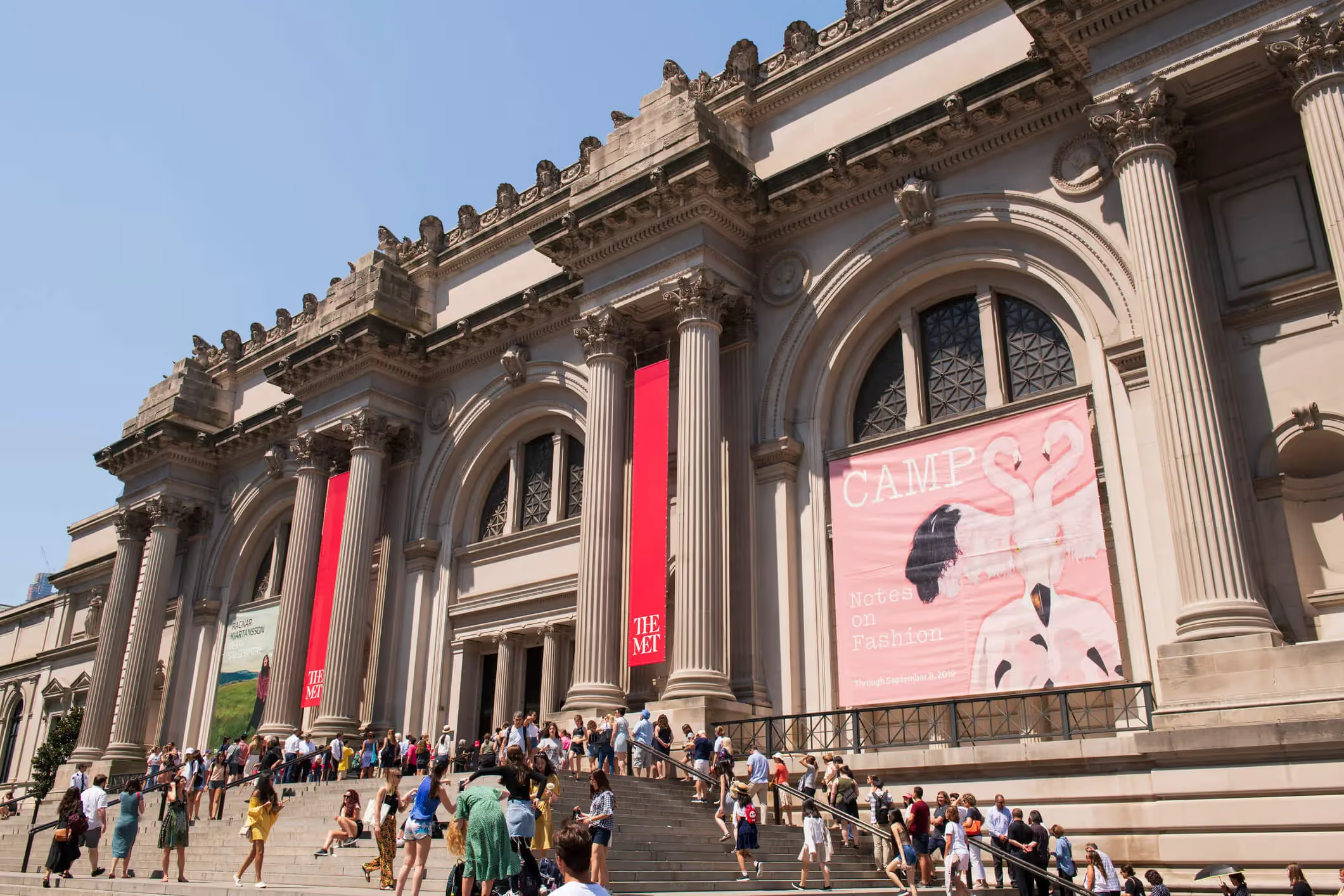
The Metropolitan Museum of Art — known simply as the Met — is one of the largest and most important museums in the world. Its collection spans 5,000 years of human creativity, from Egyptian temples to Renaissance paintings to modern American art.
You could spend a full day here and still miss most of it. The rooftop garden is open seasonally with panoramic views of Central Park.
American Museum of Natural History
Just across the park on the Upper West Side, the American Museum of Natural History is another full-day experience. Highlights include the dinosaur halls, the Rose Center for Earth and Space, the Hall of Ocean Life (yes, the giant blue whale), and exhibits on everything from gems to human origins.
.webp)
.webp)
Museum of Modern Art (MoMA)
Home to Van Gogh's Starry Night, Dalí's Persistence of Memory, and works by Picasso, Monet, and Warhol, the Museum of Modern Art is essential for anyone who loves 20th- and 21st-century art.
Explore the Neighborhoods
NYC's neighborhoods are destinations in themselves.
- Upper West Side — Classic pre-war apartment buildings, leafy streets, and two of the city's great museums. Great for brunch and a Central Park walk.
- Greenwich Village — Tree-lined blocks, live jazz, and cafés with real history.
- SoHo and Tribeca — Cobblestones, cast-iron architecture, boutiques, and celebrity-spotting potential.
- Chelsea and the Meatpacking District — Galleries, the High Line, and the Whitney Museum.
- DUMBO — Brooklyn waterfront views of the Manhattan Bridge and the Manhattan skyline.
- Harlem — Soul food, historic churches, the Apollo Theater, and deep cultural roots.
- Williamsburg — Brooklyn's creative hub, full of street art, rooftop bars, and vintage shops.
The Staten Island Ferry: A Free NYC Classic
The Staten Island Ferry runs 24 hours a day between Lower Manhattan's Whitehall Terminal and St. George on Staten Island — and it's completely free. The 25-minute ride offers panoramic views of the Statue of Liberty, Ellis Island, and the Lower Manhattan skyline. Even if you don't plan to do anything on Staten Island, the round trip is one of the best bargains in the city.
Broadway and the Arts
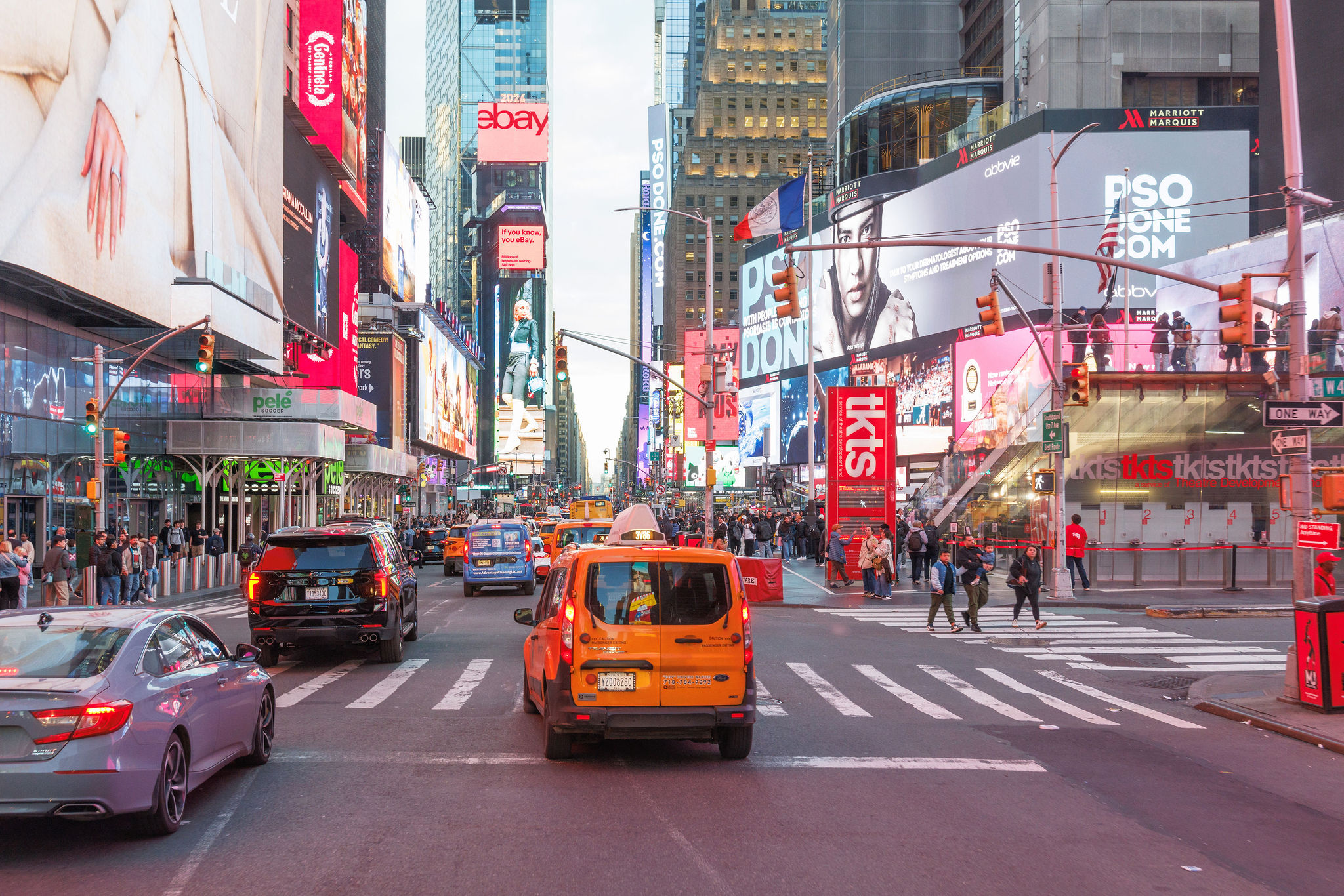
A Broadway show is a classic NYC experience. Whether you go for a long-running musical, a Tony-winning play, or something brand new, catching a performance in the Theater District is hard to beat. Same-day TKTS discounts are available at the Times Square booth if you're flexible about what you see.
Beyond Broadway, the city has off-Broadway theater, Lincoln Center for classical music and ballet, jazz clubs in the Village, and live comedy almost every night of the week.
Getting Around NYC
The easiest way to see New York City is on foot combined with the subway. The subway runs 24 hours a day, reaches all five boroughs, and is almost always faster than a taxi during rush hour. Buses are useful for crosstown trips in Manhattan, where the subway grid is mostly north-south. Ferries are another underrated option — the NYC Ferry connects Manhattan to Brooklyn, Queens, and the Bronx, and the waterfront views are hard to beat.
If you're traveling with luggage or on a tight schedule, rideshare apps like Uber and Lyft work well, though traffic in Midtown can slow things to a crawl. Walking remains the best way to actually feel the city — plan at least one day where you wander a neighborhood on foot without an agenda.
Start Exploring
Each of the sights above has its own dedicated guide with what to expect, when to go, how to get there, ticket prices, and the little details that make the difference between a good visit and a great one.
Pick a landmark, pick a neighborhood, and start planning your trip to the greatest city on Earth.