There's no single best time to visit New York City — there's a best time for you, and it depends on whether you're chasing good weather, low prices, small crowds, or the full holiday spectacle. New York is a different city in July than in January, and the month you choose shapes everything from what you'll pay for a hotel to whether you're photographing cherry blossoms or ice skating under the lights.
This guide breaks it down the way our guides would: the quick answer first, then season by season and month by month, with honest notes on weather, crowds, cost, and what's actually on. If you already know when you're coming, skip to that month; if you're still deciding, start at the top. Once you've picked your dates, our one-day, weekend, and three-day itineraries lay out exactly what to do once you're here.
When is the best time to visit New York City?
For most visitors, the best time to visit New York City is late April through June or September through early November — the two shoulder seasons, when the weather is mild, the parks are at their best, and the crowds and prices sit below their summer and holiday peaks. Spring brings blossoms and comfortable days; fall brings crisp air, golden foliage, and arguably the most pleasant weather of the year.
That said, the right time depends on what you're after:
- Best weather: May, June, September, and October.
- Fewest crowds and lowest prices: mid-January through February, outside the holidays.
- Holiday magic: late November through December, for the tree, the markets, and the lights — but it's the most crowded and expensive stretch of the year.
- Long days and free outdoor events: July and August, if you don't mind heat and humidity.
The rest of this guide takes each of those in turn.
New York City season by season
New York runs on four distinct seasons, and each one is a genuinely different trip — different weather, different crowds, different things to do, and a different price tag. Here’s what to expect from each, and the kind of visitor it suits best.
Spring (March to May)
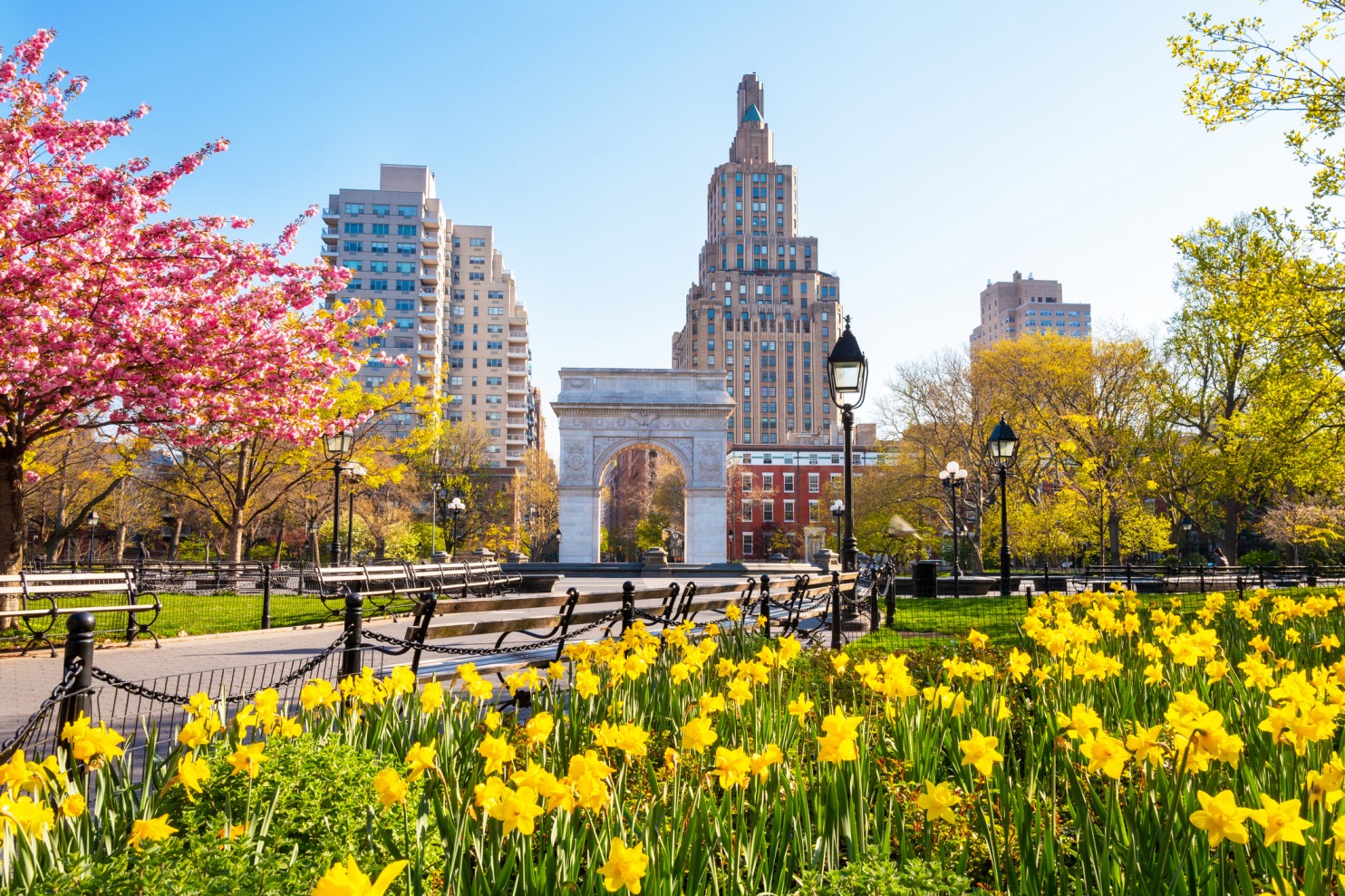
Spring is one of the two best windows of the year. The city thaws, the parks bloom, and by late April the cherry blossoms and tulips are out in Central Park and along the paths. Days are mild (50s to 70s°F), though early spring can be wet and unpredictable, so pack layers and a light rain jacket. Crowds build toward Memorial Day but stay manageable through April. It's the prettiest time for a Central Park pedicab tour, with the blossoms at their peak.
Summer (June to August)
Summer is the liveliest season and the one with the most free things to do: outdoor movies on the lawn at Bryant Park, concerts, Shakespeare in the Park, rooftop bars, and daylight until past 8pm. The trade-off is heat and humidity — July and August regularly hit the high 80s and 90s — and peak crowds at the big attractions. Mornings and evenings are the sweet spots; midday is for air-conditioned museums like the Met. A closed-top, climate-controlled bus tour is the comfortable way to see the city on a hot day.
Fall (September to November)
Fall is, for many, the best season of all: warm-into-crisp weather, clear skies, and the city at its most photogenic as the foliage turns through late October and early November. Crowds thin after Labor Day, prices ease, and the light is perfect for the observation decks. It's the other peak season for a pedicab ride through the park's autumn color. The holiday crowds don't arrive until late November, so early-to-mid fall is a genuine sweet spot.
Winter (December to February)
Winter is two seasons in one. December is the holiday spectacle — the Rockefeller Center tree and ice rink, the Winter Village at Bryant Park, the Fifth Avenue windows — and it's magical, crowded, and expensive all at once. January and February, once the holidays pass, are the quietest and cheapest weeks of the year: cold (often 20s to 30s°F) and sometimes snowy, but the museums are empty, hotel rates drop, and the city belongs to locals again. Bundle up and you'll have it to yourself.
New York City month by month
A quick read on every month, so you can match your trip to what matters most to you.
- January: Coldest and cheapest. Empty museums, low hotel rates, Winter Restaurant Week. Bundle up.
- February: Still cold and quiet, still a bargain. Lunar New Year in Chinatown and Valentine's Day are the highlights.
- March: Shoulder season begins. Unpredictable weather, the St. Patrick's Day Parade, and early blooms late in the month.
- April: Spring arrives. Cherry blossoms and tulips by mid-to-late month, mild days, moderate crowds. One of the best months.
- May: Near-perfect weather, everything in bloom, the outdoor season starts. Crowds and prices climbing toward summer.
- June: Warm, long days, Pride, and the start of free summer programming. Excellent before the real heat sets in.
- July: Hot and humid, peak tourist season, Fourth of July fireworks. Great for evenings and free events, tough at midday.
- August: The hottest, most humid month, but also the quietest for locals, who leave town. Good hotel deals late in the month.
- September: Arguably the best month: warm, clear, fewer crowds after Labor Day, plus the US Open and Fashion Week.
- October: Crisp, colorful, and ideal for walking. Peak fall foliage late in the month, plus Halloween in the Village.
- November: Cool and calm early, then the holiday build-up — the Macy's Thanksgiving Day Parade and the tree lighting kick off the season.
- December: The holiday peak. The tree, the markets, the lights, and New Year's Eve. Spectacular, packed, and the priciest time to come.
When to come for the weather
New York has four distinct seasons. Spring and fall are mild and the most comfortable for walking the city all day; summer is hot and humid, with temperatures often in the high 80s and 90s and occasional thunderstorms; winter is cold, in the 20s to 40s, with a few snowfalls a year that turn the parks beautiful and the sidewalks slushy.
The most reliably pleasant weeks are mid-May to mid-June and mid-September to late October: warm days, cool evenings, low rain, and clear skies for the observation decks.
When is peak fall foliage?
Central Park's foliage peaks later than upstate — usually the last week of October into the first week of November, thanks to the city's warmth. The Mall's elms turn gold and the Ramble turns red; our Central Park seasonal guide maps the best spots.
When do the cherry blossoms bloom?
Cherry blossoms usually peak in mid-to-late April, a week earlier in a warm spring. Central Park's Cherry Hill and the Reservoir are the classic spots, along with the Brooklyn Botanic Garden.
The cheapest time to visit New York City
The cheapest time to visit New York is January and February, after New Year's and before spring. Hotel rates fall sharply once the holiday crowds leave, airfares soften, and the city runs two Restaurant Weeks with prix-fixe deals at hundreds of restaurants. The trade-off is the cold, but if your trip is mostly museums, Broadway, and food, winter is the best value of the year.
The shoulder seasons — April and early May, late September and October — are the sweet spot for value plus good weather: prices sit below the summer and holiday peaks while the city is at its most pleasant.
The most expensive and crowded times are December, the holiday season, and July and August, peak summer tourism, followed by the days around the Macy's Thanksgiving Day Parade. If you're coming then, book hotels and any timed tickets — Edge, the Statue of Liberty ferry, Broadway — well in advance.
The best time for holidays and big events
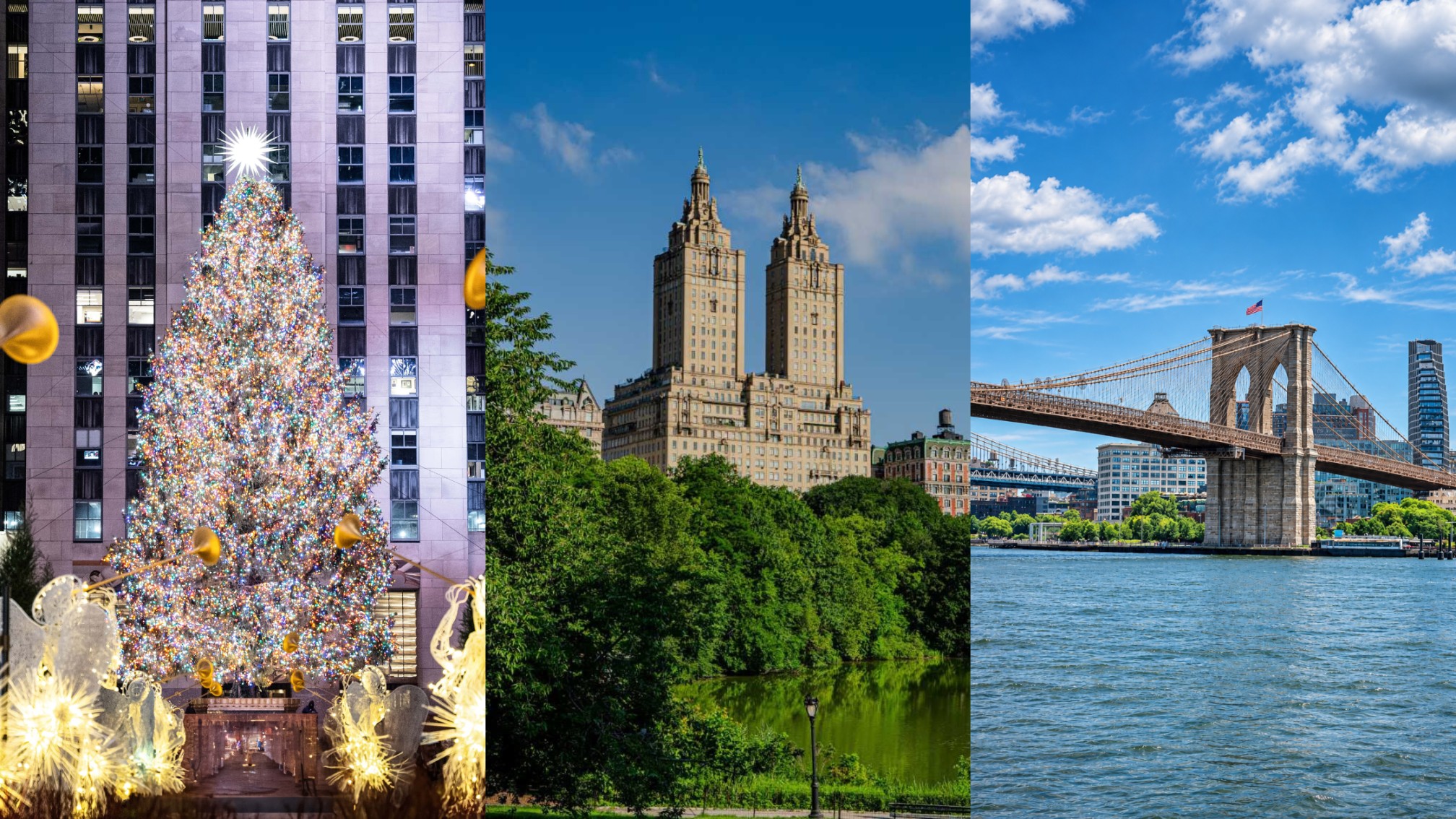
If the holidays are the reason you're coming, late November through December is unmatched: the Rockefeller Center tree and ice rink, the Winter Village and free ice skating at Bryant Park, the department-store windows along Fifth Avenue, and the whole city lit up. The NYC at Night bus tour is the warmest way to see the lights, since it's all from a heated coach. Just know this is the busiest, priciest month of the year.
Other events worth planning around:
- New Year's Eve: the Times Square ball drop — iconic, but it means hours in a cordoned-off crowd; many prefer to watch from a bar or a rooftop.
- Thanksgiving: the Macy's Parade, with the day before it the single busiest travel day of the year.
- Spring: the cherry blossoms, the Easter Parade, and the Tribeca Festival.
- Summer: Fourth of July fireworks, free concerts and outdoor movies, Pride in June, and the US Open in late August.
- Fall: the New York City Marathon in early November and the Village Halloween Parade.
Should you visit on a weekday or a weekend?
For a short trip, the day of the week matters almost as much as the season. Weekdays are quieter at the museums, the observation decks, and the big attractions, and Broadway's weeknight shows are easier to get into. Weekends are livelier, with markets and street fairs — and, if you're taking a driving tour of the landmarks, weekend mornings have noticeably lighter traffic, so you cover more ground. If you can, do your museum days midweek and your sightseeing-by-vehicle on a weekend morning.
A few practical tips
- Book timed tickets early in summer and December — observation decks, the Statue of Liberty ferry, and popular Broadway shows sell out days to weeks ahead.
- Midweek hotel rates are often lower than weekend rates outside the holidays; a Tuesday-to-Thursday stay can cost less than a weekend one.
- Dress for the season: layers in spring and fall, light and breathable in summer, genuinely warm in winter — the wind between tall buildings makes cold feel colder.
So, when should you visit New York City?
If you want the simplest answer: come in May, June, September, or October for the best balance of weather, crowds, and price. Come in December if the holidays are the whole point and you don't mind the crush. Come in January or February if you want the city cheap and uncrowded and you can handle the cold.
Whenever you come, the city is worth seeing properly. Our Half-Day Bus Tour covers the landmarks year-round from a climate-controlled coach, the NYC at Night tour is the best way to see the lights in the holiday season, and a Central Park pedicab tour is at its finest among the spring blossoms and the fall foliage. Pick your dates, then let our one-day, weekend, and three-day itineraries do the rest.
Frequently Asked about
Best Time to Visit New York City
What is the best month to visit New York City?
What is the cheapest time to visit NYC?
When is the best time to visit NYC for good weather?
Is it better to visit New York on a weekday or a weekend?
When is the worst time to visit New York City?