"9/11 memorial tickets" is one of the most searched phrases about the site, and it's based on a misunderstanding: the memorial doesn't have tickets. The museum next to it does. Knowing which is which decides how much you'll spend, how far ahead you need to book, and how long the visit takes.
Here's the difference between the two, what 9/11 Museum tickets actually cost in 2026, the free windows most visitors miss, and an honest answer to whether the museum is worth it — plus how the museum's own tours compare to a guided walk of Ground Zero, since they're often confused.
The short answer: the memorial is free, the museum is not
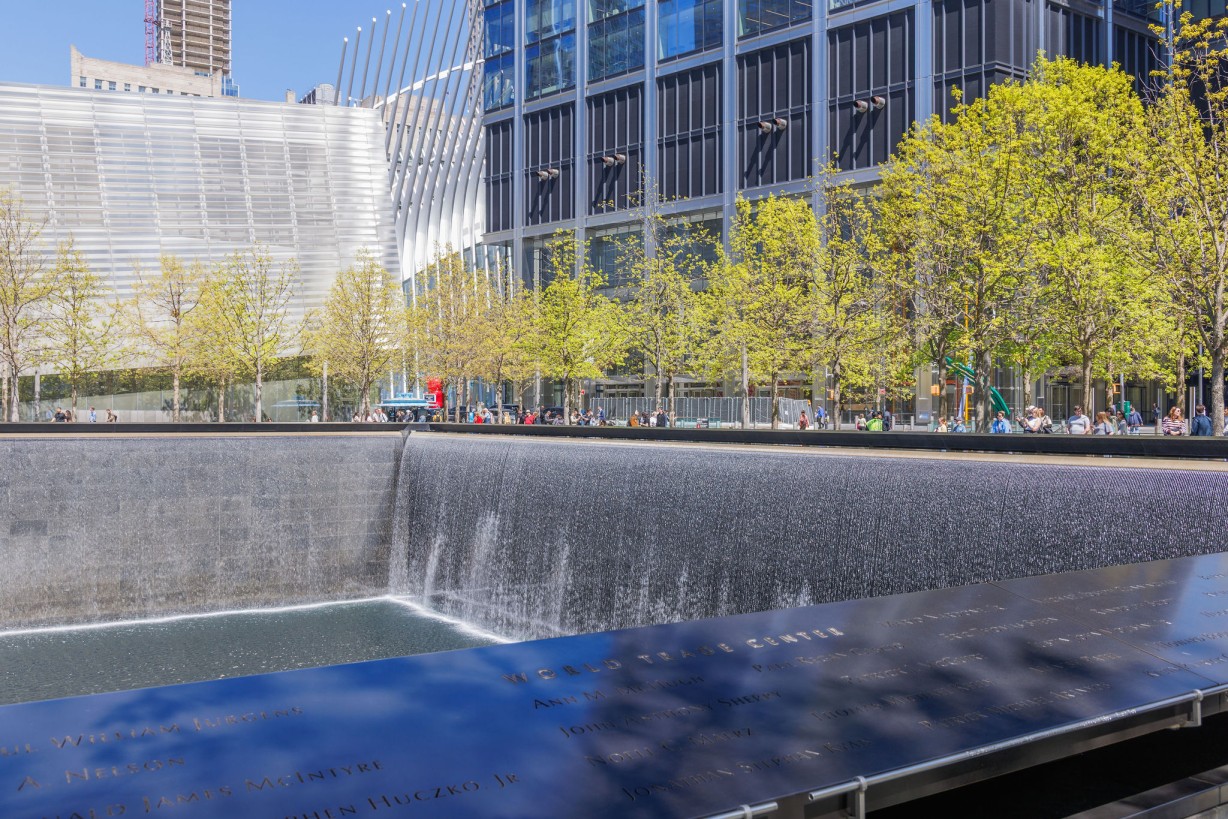
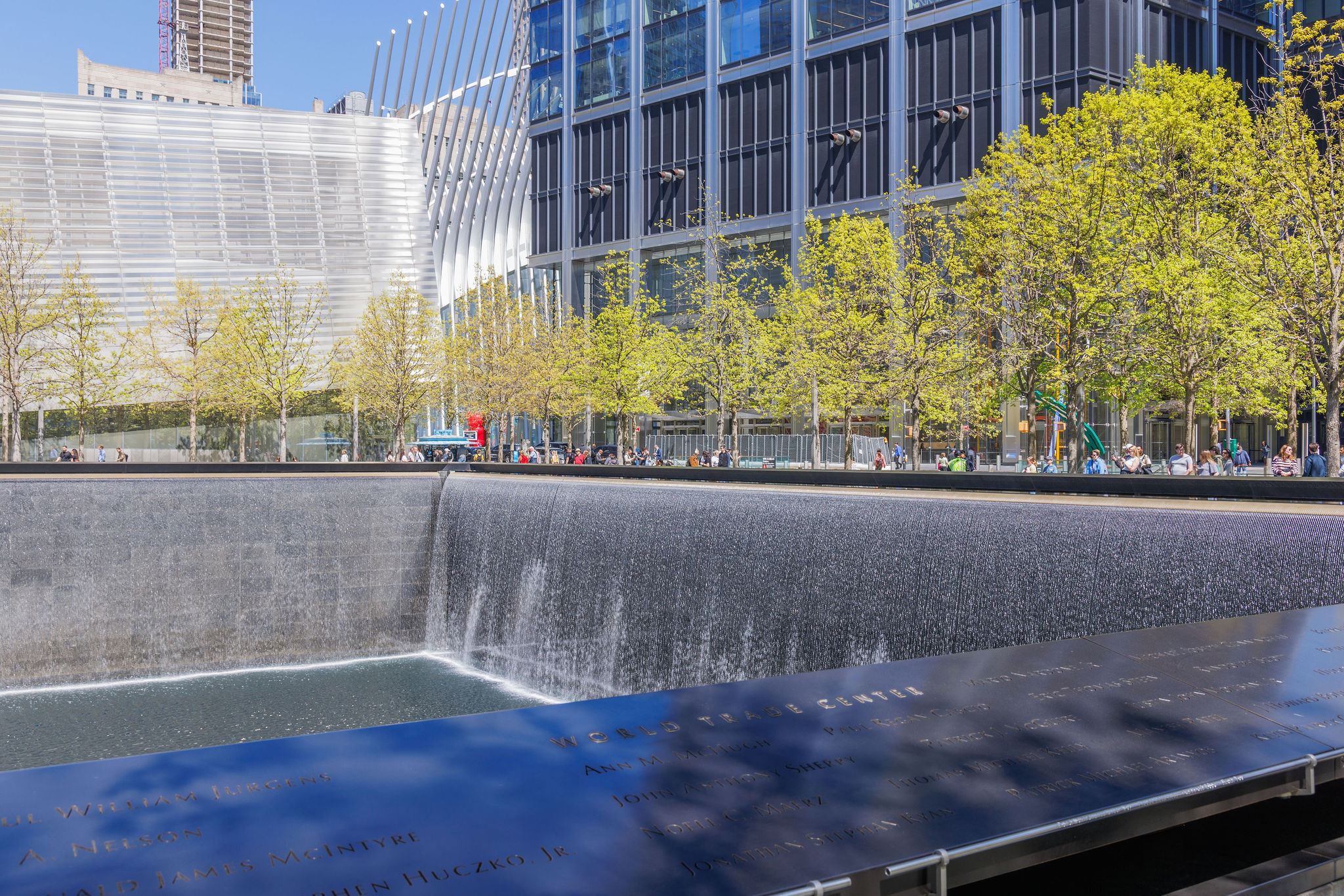
Most people searching for "9/11 memorial tickets" don't need any. The 9/11 Memorial — the outdoor plaza with the two reflecting pools, the names, and the Survivor Tree — is free, open every day from 8 a.m. to 8 p.m., and has no ticket, no timed entry, and no security line. You walk in.
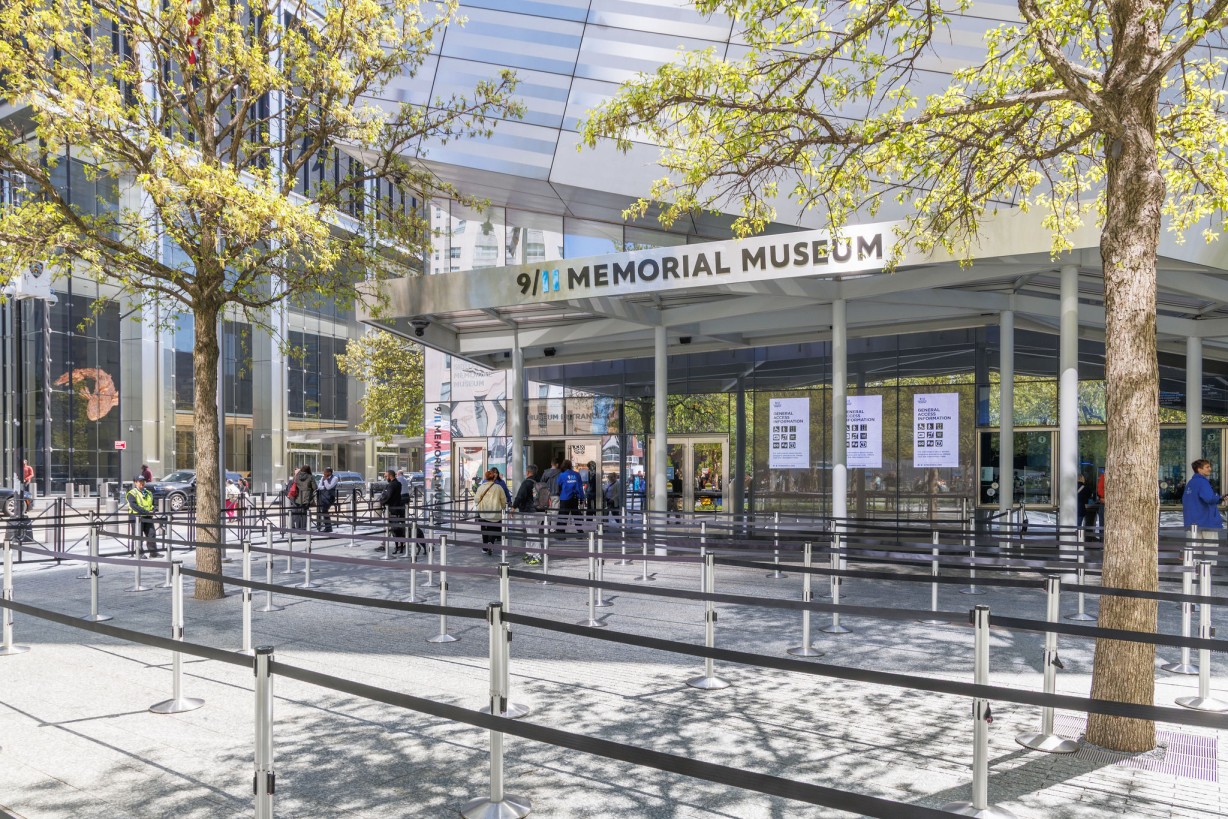
The 9/11 Memorial Museum is a different visit. It's the building on the plaza with the angled glass atrium, it goes seven stories below ground to the original foundations of the towers, and it requires a paid, timed ticket. It's open Wednesday through Monday (and many Tuesdays) from 9 a.m. to 7 p.m.
.jpg)
So the two questions to ask yourself are separate: do I want to see the memorial (free, always) and do I want to go inside the museum (ticket, plan ahead). This guide covers the second one — what museum tickets cost, how to get them cheaper or free, whether it's worth it, and how to fit it into a day at Ground Zero.
9/11 Museum tickets: prices, what's included, and how far ahead to book
General admission is $24 to $36 depending on age: adults pay $36, with lower rates for seniors, students, and young visitors. Children six and under are free but still need a ticket. Admission covers every exhibition open that day. A Family Pass for four or five runs $106 to $125 and saves up to 20 percent.
Tickets are timed, and the timed entry has to be bought in advance — walking up on the day, especially in summer or anniversary week, is a gamble. You can buy up to six months ahead, refund or exchange up to 24 hours before your slot, and the museum allows one exchange at no charge. Last admission is at least an hour before closing, so aim for a slot no later than mid-afternoon if you want the full two hours.
An audio guide is $11 at the box office and is offered in nine languages including ASL. It's a good option if you're not on a guided tour and want the artifacts explained; it's redundant if you are.
How to get into the 9/11 Museum for free (or cheaper)
There are more free routes in than most visitors realize:
- Free Admission Mondays. Every Monday from 5:30 to 7 p.m., admission is free. Tickets are released on the museum's site at 7 a.m. that Monday, first come first served, and they go fast. This is the one most visitors can actually use.
- New York First Sundays. On the first Sunday of each month, admission is free for people who live, work, or study in the New York area. ID required.
- Children six and under are free every day, though they still need a ticket for entry.
- Active FDNY, NYPD, and PAPD; active and retired U.S. military and veterans — free with valid ID.
- 9/11 family members, rescue and recovery workers, and World Trade Center Health Program participants — free with a reservation.
On the "cheaper" side, the museum is included in the New York CityPASS ($129–$149 for five attractions) and the New York Pass by Go City (from $89). Both only make sense if you're doing at least four or five of their attractions in a few days; for the museum alone, a straight ticket is cheaper.
Is the 9/11 Museum worth it?
For most visitors, absolutely — and it's the kind of place that stays with you long after.
What you're paying for is the only place where the physical evidence of the day is preserved at scale. The museum is built around the original foundations: you walk down alongside the slurry wall that held back the Hudson when the towers fell, past the Last Column — the 36-foot steel beam that was the final piece removed from the site — and the Survivors' Stairs that hundreds of people used to escape. The historical exhibition, set in the footprint of the North Tower, walks through the day minute by minute, the lead-up, and the aftermath. The In Memoriam gallery, in the South Tower footprint, has a portrait of every one of the 2,983 victims and lets you hear family members describe them.
.jpg)
Give yourself enough time to take it in — most people spend around two hours, and it rewards an unhurried visit. It's a powerful, moving experience, and one of the most meaningful things you can do in the city.
The museum is designed with adults and teenagers in mind, and it offers dedicated family tours and resources for visitors bringing younger children, so it's worth a look at the museum's own guidance if you're planning a family visit. However you approach it, it's one of the most worthwhile tickets in New York.
The museum's own guided tours vs. a walking tour of Ground Zero
This is where it's worth being clear, because they're different products and both are good.
The museum's tours happen inside. The Museum Tour is 60 minutes, led by museum staff, and priced at $48–$60 including admission. It's the best way to get exhibit-level context: which artifact is which, what the slurry wall is, the story behind the Last Column. The museum also runs a 45-minute Official Memorial Guided Tour of the outdoor plaza at 1 and 2 p.m. for $24, and an $85 Memorial + Museum Tour that combines them. If what you want is an expert walking you through the collection, book with the museum directly.
.jpg)
A walking tour of Ground Zero covers the blocks around the plaza that the museum's tours don't reach: St. Paul's Chapel, the FDNY Ten House and Memorial Wall, the Oculus, and the streets people ran up that morning. Ours is 90 minutes, starts at City Hall, ends at the pools, and is led by New Yorkers who were in the city that day. It's about the neighborhood and the morning itself rather than the exhibits, and the museum visit, if you add it, is self-guided afterward with a timed ticket we book for you.
.webp)
A fair way to choose: if you're spending most of your time inside and want the artifacts explained, the museum's tour is the right one. If you want the story of the day told on the streets where it happened, and you're comfortable moving through the museum at your own pace afterward, the walking tour is the better fit. Plenty of people do both, and they don't overlap much.
How to plan the day: memorial, museum, or both
If you're doing both, do the memorial first. Standing at the pools before you go underground gives the museum a frame it otherwise lacks — you'll know where the towers stood, which pool is which, and why the museum's biggest artifacts are where they are.
Then the museum. A few things that catch people out:
- Security is airport-style. Bags are scanned, and there's no coat check for large luggage. Travel light on museum day.
- Photography is restricted. You can take photos in Foundation Hall and the public areas; you can't in the historical exhibition or the In Memoriam gallery. Staff will remind you.
- There's no time limit once you're in. The timed ticket controls when you enter, not when you leave. Most people stay 90 minutes to two hours; on a first visit, two is realistic.
- It's heavy. The historical exhibition includes recordings and images from that morning. Budget something gentle for afterward — a walk along the river at Battery Park City is ten minutes away.
If you're only doing one: the memorial is the essential visit and it costs nothing. The museum is the deeper one and worth the ticket for almost everyone who has the time. Doing the guided walk and skipping the museum is a perfectly complete morning; doing the museum without the walk means going in cold.
What about One World Observatory tickets?
One World Observatory is the third ticketed thing at the site and the one people forget to plan for. It's at the top of One World Trade Center, next to the museum, and it's run separately — separate ticket, separate timed entry, separate security line. It has nothing to do with the memorial or museum other than sharing a plaza.

It's worth doing on a clear day and skipping on a foggy one; the view is the whole product. Allow about an hour. If you're doing the memorial, the museum, and the observatory, that's a full half day, and the order that works best is walk, museum, then observatory — ending on the view rather than on the exhibition.
.jpg)
Booking it in one place
If you've decided on the walk-plus-museum day, you can book both together. Our 9/11 Memorial Tour has a Tour + Museum option at $79 per adult that pairs the 90-minute guided walk with a timed museum ticket scheduled for right after, so you don't need to line up two purchases and hope the times fit. The Full Access option adds One World Observatory. If you only want the walk, the tour-only option is the cheapest way to see Ground Zero with someone who was in the city that day — and the memorial itself, as above, is free.
Frequently Asked about
9/11 Memorial and Museum tickets
Do I need a ticket for the 9/11 Memorial?
How much are 9/11 Museum tickets?
Can I buy 9/11 Museum tickets at the door?
How long can I stay in the 9/11 Museum with a timed ticket?
Are there restrictions on bags or photos inside the museum?
9/11 Memorial Tour with Optional Museum and One World Access

9/11 Memorial Tour with Optional Museum and One World Access
.jpg)
.jpg)