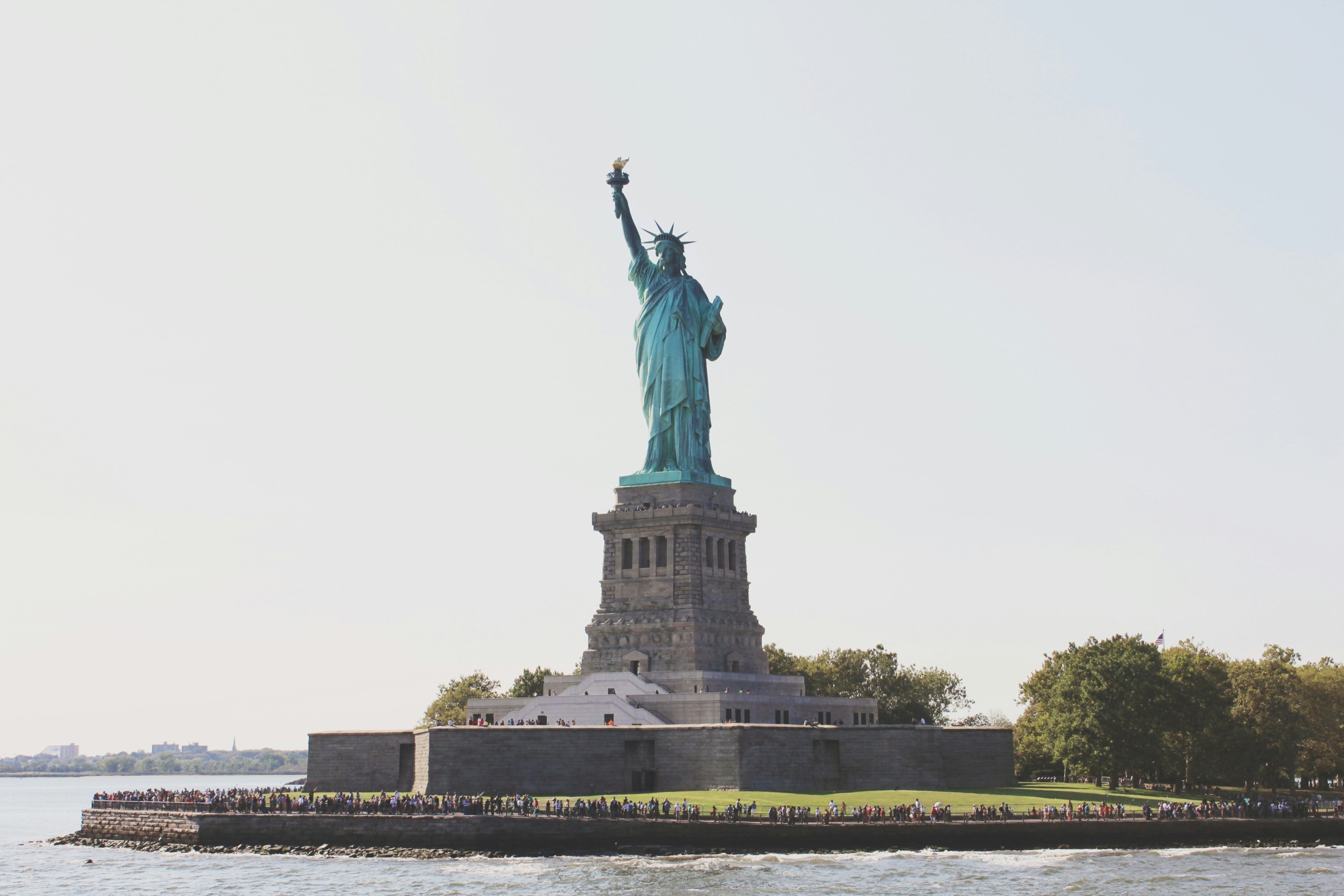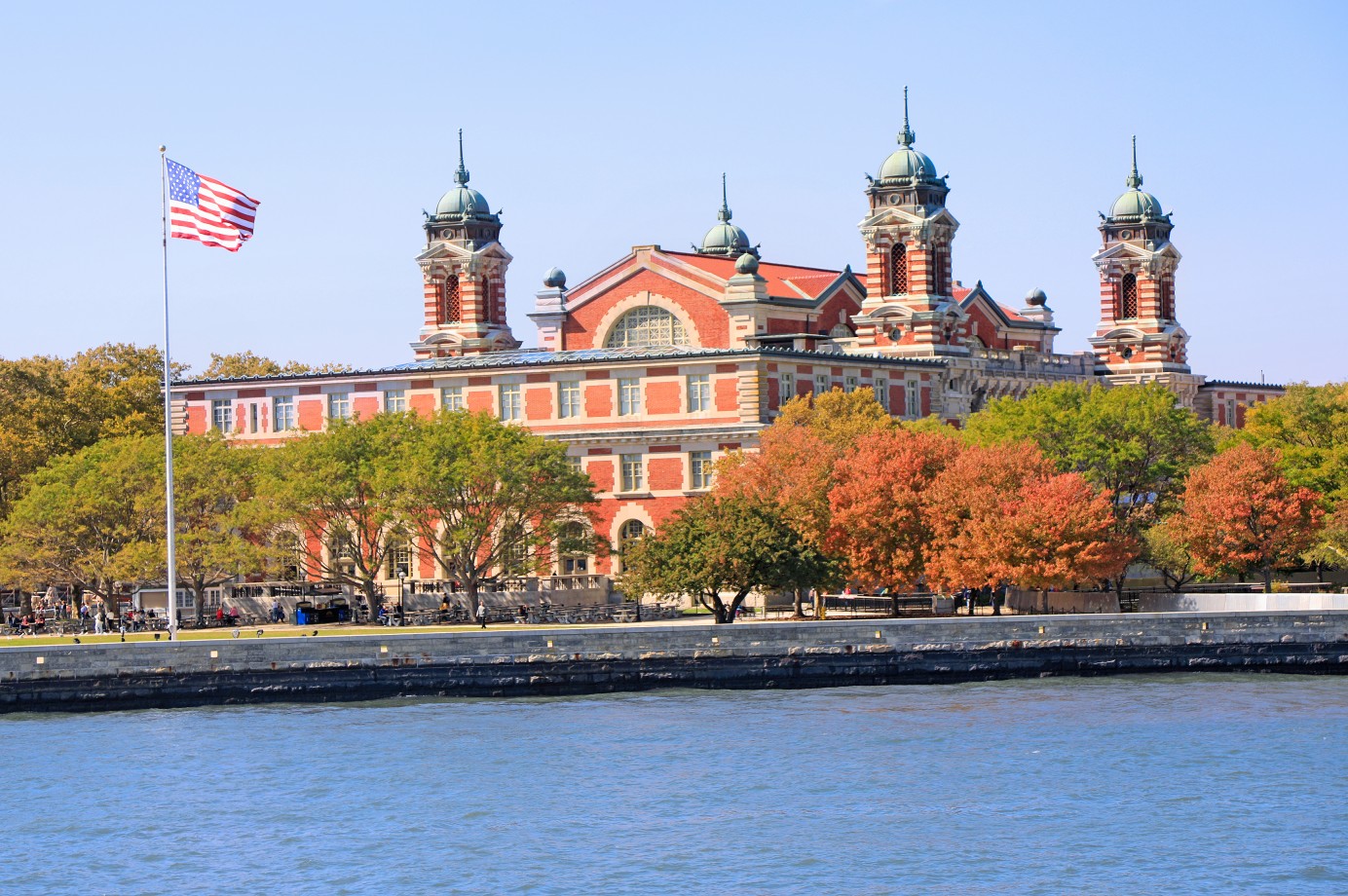
Ellis Island is the small island in New York Harbor through which more than 12 million immigrants entered the United States between 1892 and 1954, and today an estimated 40 percent of Americans can trace at least one ancestor to it. It sits just north of Liberty Island, and the same ferry ticket that takes you to the Statue of Liberty stops here, which is why most visitors see both in one trip and why many say Ellis Island was the half they didn't expect to move them.
The centerpiece is the restored Main Building, a French Renaissance structure from 1900 whose Great Hall, with its vaulted Guastavino tile ceiling, is where new arrivals waited in lines to be inspected, questioned, and, for about 2 percent of them, turned away. The National Museum of Immigration fills three floors of the building with photographs, artifacts, oral histories, and the original registry rooms. The American Family Immigration History Center lets visitors search ship manifests for their own relatives' names, and the American Immigrant Wall of Honor outside lists more than 700,000 names.
The island's south side, the abandoned hospital complex where sick arrivals were treated, is open only on guided Hard Hat Tours, and it's among the most atmospheric places in the entire city.
Ellis Island processed more immigrants than any other station in American history. Here are the key facts every visitor should know:
Ellis Island is open daily except Thanksgiving and Christmas, with ferries running from Battery Park from 8:30am and the last departure to the islands around 3:30pm, so the visit has to start by early afternoon at the latest.
The best plan is the first ferry of the morning: see the Statue of Liberty while it's quietest, then continue to Ellis Island in the late morning or early afternoon, when the Great Hall and galleries are calmer as the day-trippers head back. The museum closes at 5pm, and the last ferry back leaves shortly after, so don't leave Ellis Island for the very end.
Spring and fall have the best weather and manageable crowds; summer weekends bring long ferry lines and full security queues. Winter weekdays are the quietest of all, and the Great Hall is indoors and heated.
The Hard Hat Tour of the hospital runs on a limited schedule and sells out weeks ahead; check dates before you fix your plans.
The only way to reach Ellis Island is by ferry. Statue City Cruises, the sole operator licensed by the National Park Service, runs boats from Battery Park in Lower Manhattan and from Liberty State Park in Jersey City, and every ticket includes both Liberty Island and Ellis Island.
From Manhattan, take the 4 or 5 train to Bowling Green or the 1 to South Ferry, then walk five minutes to the ferry terminal in Battery Park. Ferries stop at Liberty Island first, then Ellis Island; you can spend as long as you like at each and board any later boat. The last ferry to the islands leaves Battery Park in mid-afternoon, so start early. Security screening before boarding is airport-style.
Use our interactive NYC subway guide to plan your exact route from any hotel or neighborhood before you arrive.